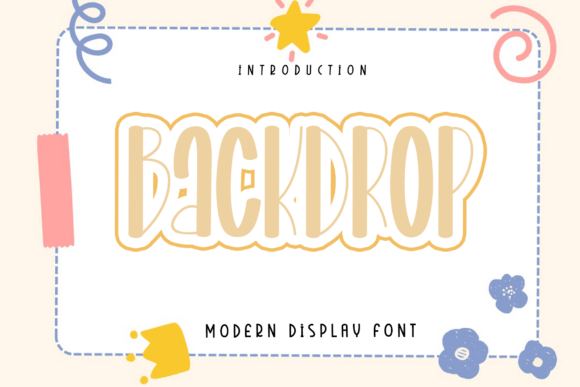
Backdrop: A Handwritten Font That Brings Clarity and Elegance to Modern Design
When it comes to choosing a font that balances style with functionality, Backdrop stands out as a fresh, refined option in the world of handwritten typography. Designed to evoke a sense of clarity and crisp elegance, this font is more than just a visual choice—it’s a design tool that can elevate everything from branding to web content. With its tall, thin strokes and subtle, airy slant, Backdrop feels as if it were crafted by the wind itself, offering a modern yet approachable aesthetic.
Where Does Backdrop Shine?
Backdrop isn’t just another pretty font; it’s built for real-world use. Its clean lines and balanced proportions make it incredibly versatile across various industries and applications. Whether you're designing a website, creating branding materials, or producing content for social media, Backdrop has the potential to enhance your message without overpowering it.
One of the most compelling uses for Backdrop is in travel photography. Imagine a blog post or a portfolio where images of mountain vistas, cityscapes, or coastal scenes are paired with text that complements the natural beauty of the scene. Backdrop’s light, flowing script adds a touch of sophistication without clashing with the imagery. It’s like the font itself becomes part of the landscape, blending seamlessly into the narrative.
In the realm of outdoor gear branding, Backdrop offers an elegant alternative to traditional sans-serif fonts. Companies that specialize in hiking boots, camping equipment, or adventure wear often look for a brand identity that reflects both strength and approachability. Backdrop’s refined handwriting style brings a human element to product packaging and marketing materials, making the brand feel more personal and trustworthy.
How Different Users Benefit from Backdrop
The appeal of Backdrop lies in its adaptability. While it may be particularly well-suited for creative fields, its benefits extend to a wide range of audiences and industries. For example:
- Web designers can use Backdrop for headings, call-to-action buttons, or hero sections, where a touch of personality can make a big difference.
- Content creators might find it ideal for social media posts, newsletters, or video overlays, where readability and visual interest go hand in hand.
- Graphic designers can incorporate Backdrop into logos, invitations, or promotional materials, adding a unique flair that sets their work apart.
- Marketers looking to create a more engaging brand voice may use Backdrop to craft taglines, slogans, or promotional copy that feels more authentic and relatable.
What makes Backdrop so effective is its ability to strike a balance between professionalism and creativity. It doesn’t feel too casual or too formal, which means it can be used in both high-end and everyday contexts. This versatility makes it a valuable asset for anyone looking to communicate with clarity and confidence.
Considerations Before Using Backdrop
While Backdrop is a powerful tool, it’s important to consider how it fits into your overall design strategy. Here are a few key factors to keep in mind:
- Readability: Although Backdrop is designed to be legible, its handwritten nature means it may not be the best choice for long blocks of text. Use it strategically—on headings, labels, or short phrases—to maintain readability.
- Contrast: Pair Backdrop with background colors that provide enough contrast to ensure the text stands out. Darker backgrounds often work best with lighter-colored text, and vice versa.
- Consistency: If you’re using Backdrop alongside other fonts, make sure they complement each other rather than compete. A cohesive typographic system will help reinforce your brand’s identity.
- Accessibility: Always test how Backdrop appears to users with different visual needs. Consider providing alternatives for those who may struggle with reading handwritten fonts.
Despite these considerations, Backdrop remains a strong contender for designers and creators who value both aesthetics and usability. Its clean, approachable style makes it easy to integrate into a variety of projects without overwhelming the viewer.
Why Backdrop Stands Out
One of the biggest strengths of Backdrop is its ability to convey emotion and personality through typography. Unlike many digital fonts that feel sterile or impersonal, Backdrop brings a human touch to every character. This makes it especially useful in scenarios where the goal is to connect with the audience on a more personal level.
Its subtle slant and fluid strokes give it a sense of movement, making it feel dynamic even in static designs. This characteristic is particularly beneficial in digital environments where motion and interactivity play a significant role. Whether it’s a website banner, a social media graphic, or an email signature, Backdrop adds a layer of visual interest that can help your content stand out.
However, it’s worth noting that Backdrop may not be the best fit for every project. Its handwritten style can sometimes feel too informal for certain professional settings, and its thin strokes may not render well at very small sizes. As with any design choice, the key is to understand when and how to use it effectively.
Ultimately, Backdrop is more than just a font—it’s a design philosophy that prioritizes clarity, elegance, and connection. By choosing it, you’re not just selecting a typeface; you’re making a statement about the kind of experience you want to create for your audience.