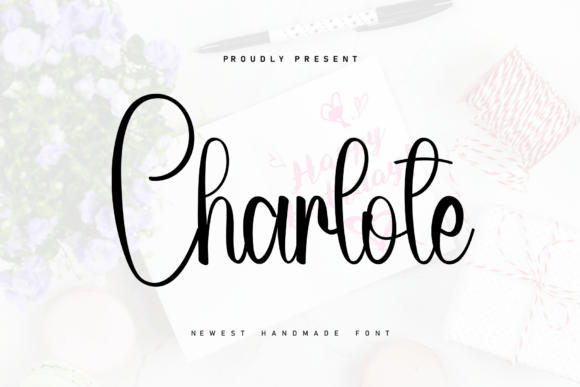
Charlote: A Handwritten Font That Enhances Your Creative Workflow
When designing a project, the choice of font can significantly impact the overall aesthetic and readability. Charlote is a sweet and beautiful handwritten font that adds a unique, cozy touch to any design. Its characters dance along the baseline, giving it a warm and personal feel that can elevate both digital and print materials.
Understanding Charlote’s Design and Purpose
Charlote is more than just a decorative font—it's a versatile tool that can be integrated into various stages of your creative process. Designed with a flowing, cursive style, it brings a sense of intimacy and charm to text, making it ideal for invitations, branding, marketing materials, and even personal notes.
The font’s soft curves and natural rhythm make it particularly effective in settings where warmth and approachability are key. Whether you're crafting a social media post, designing a brochure, or creating a hand-drawn illustration, Charlote can help you convey emotion and personality through typography.
Where Does Charlote Fit Into Your Workflow?
One of the strengths of Charlote is its adaptability. It can be used at multiple points in your workflow, depending on your goals and the nature of your project.
Before Project Launch: When planning a campaign or designing a new product, Charlote can be used in concept sketches, mood boards, or early-stage wireframes to set a visual tone. Its handwritten quality helps create a more human connection before finalizing the design.
During Development: As you move into the execution phase, Charlote can be applied to headlines, call-to-action buttons, or taglines. It works well with other fonts in a typographic hierarchy, helping to draw attention without overwhelming the reader.
After Completion: Once the project is done, Charlote can still play a role in the final output. It might be used in printed materials, digital assets, or even as part of a brand identity. Its nostalgic appeal makes it a great fit for storytelling or branding that values authenticity.
How Charlote Interacts With Other Tools and Resources
Charlote is designed to work seamlessly with a variety of tools and platforms. Whether you're using Adobe Illustrator, Canva, Figma, or even Microsoft Word, the font’s clean structure ensures compatibility across different software environments.
When working with Charlote, consider how it pairs with other fonts. For example, pairing it with a sans-serif typeface like Montserrat or Open Sans can create a balanced contrast that enhances readability while maintaining a stylish look.
Additionally, Charlote can be used alongside design frameworks such as Material Design or Apple’s Human Interface Guidelines. Its organic flow complements modern design principles, offering a blend of tradition and innovation.
Practical Implementation Tips for Using Charlote
To get the most out of Charlote, it's important to implement it thoughtfully. Here are some practical tips to help you integrate it smoothly into your workflow:
- Use it sparingly: While Charlote is visually appealing, overuse can reduce its impact. Reserve it for headlines, titles, or accents rather than entire paragraphs.
- Test on different devices: Ensure that the font renders correctly across all platforms and screen sizes. Some devices may not support custom fonts, so always provide a fallback option.
- Consider accessibility: Handwritten fonts like Charlote can sometimes be harder to read for people with dyslexia or visual impairments. Use it in combination with high-contrast colors and proper spacing to improve legibility.
- Experiment with variations: Explore different weights and styles of Charlote to find the best fit for your project. Some versions may offer subtle differences in stroke thickness or letterform shapes.
Real-World Use Cases for Charlote
Charlote is suitable for a wide range of applications, from small personal projects to large-scale commercial designs. Here are a few real-world use cases:
Marketing Materials: Branding campaigns often require a mix of bold and elegant typography. Charlote can be used in logos, packaging, or promotional content to create a memorable brand identity.
Education and Learning: In educational settings, Charlote can be used in worksheets, flashcards, or interactive learning modules to make content more engaging for students.
Personal Projects: Whether you're creating a wedding invitation, a birthday card, or a journal entry, Charlote adds a personal touch that feels genuine and heartfelt.
Business Presentations: In professional contexts, Charlote can be used in slides or reports to highlight key points or add a creative flair to otherwise formal content.
Factors to Consider When Integrating Charlote
While Charlote offers many benefits, there are several factors to keep in mind when integrating it into your workflow:
Preparation: Before using Charlote, ensure that you have the necessary tools and resources. This includes downloading the font, installing it on your device, and testing it in your preferred design software.
Compatibility: Check that Charlote is compatible with the platforms and tools you use. Some fonts may not render properly on certain browsers or operating systems.
Usability: Always prioritize readability and usability. Even though Charlote is beautiful, it should never compromise the clarity of your message.
Organization: Keep your font library organized so that you can easily access Charlote when needed. Labeling and categorizing fonts can save time and reduce confusion.
Efficiency: Use Charlote efficiently by applying it only where it adds value. Avoid using it in areas where it might distract from the main content.
Consistency: Maintain consistency in your design choices. If you use Charlote in one project, consider whether it aligns with your overall brand voice and visual style.
Quality Control: Always review your work to ensure that Charlote is used appropriately. Check for spacing, alignment, and overall visual harmony.
Long-Term Use: If you plan to use Charlote regularly, consider how it fits into your long-term design strategy. Will it remain relevant as your projects evolve?
Conclusion
Incorporating Charlote into your workflow can enhance the visual appeal and emotional impact of your designs. By understanding its strengths, limitations, and potential applications, you can use it effectively to support your creative goals. Whether you're a designer, marketer, educator, or hobbyist, Charlote offers a unique way to add warmth and character to your work. With thoughtful implementation and strategic use, it can become an essential part of your design toolkit.