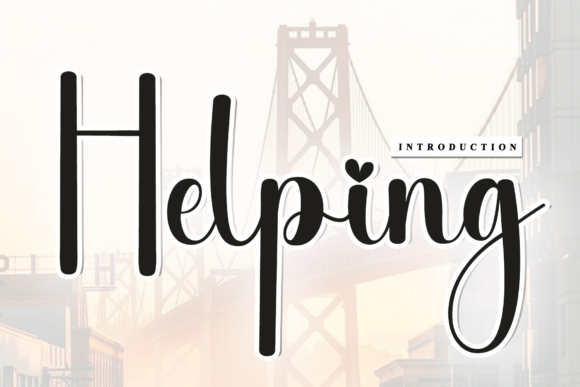
Helping: A Timeless Handwritten Font for Design Excellence
Helping is a handwritten font that has captured the hearts of designers and creatives alike. Known for its elegant, flowing style, it offers a unique blend of warmth and sophistication. This font is not just visually appealing; it also carries a sense of personality and authenticity that makes it stand out in a crowded design landscape.
What Makes Helping Stand Out?
Helping is more than just a font—it’s a statement. Each letter is crafted with care, giving it a hand-drawn feel that feels both personal and professional. The font's versatility allows it to be used across a wide range of design applications, from logos and branding to quotes and promotional materials.
One of the standout features of Helping is its unique and beautiful touch. Every character is distinct, which adds character and charm to any design. This makes it ideal for creating eye-catching visuals that can draw attention and make a lasting impression.
Why Would Someone Be Interested in Helping?
There are several reasons why designers might choose Helping for their projects. First and foremost, its aesthetic appeal makes it a popular choice for those looking to add a personal touch to their work. Whether it's for a logo, a greeting card, or a social media post, Helping can elevate the visual impact of the content.
Additionally, Helping is well-suited for branding efforts. Its timeless quality means it can remain relevant even as design trends change. This makes it a reliable option for businesses and individuals who want to create a lasting brand identity.
Another reason people are drawn to Helping is its adaptability. It works well in both digital and print formats, making it a versatile tool for various design needs. Whether you're creating a website, a flyer, or a brochure, Helping can enhance the overall look and feel of your project.
Benefits of Using Helping
The benefits of using Helping extend beyond its visual appeal. One of the key advantages is its ability to convey emotion and personality. Because it's a handwritten font, it often feels more approachable and friendly, which can be especially effective for brands that want to connect with their audience on a personal level.
Helping also offers a distinctive edge in a market where many fonts can feel generic or overused. By choosing Helping, designers can differentiate their work and create something that stands out in a sea of similar designs.
Moreover, the font’s readability is another important factor. While it may have a decorative style, it remains legible even at smaller sizes, making it suitable for a variety of applications, including headings, body text, and signage.
Considerations and Tradeoffs
While Helping has many strengths, it's important to consider its limitations. As a handwritten font, it may not be the best choice for every design context. For example, it might not be ideal for formal or highly technical documents where a more structured and professional font is preferred.
Another consideration is font pairing. Helping can be paired with other fonts to create a balanced and cohesive design. However, it’s essential to ensure that the complementary fonts don’t overpower its unique characteristics.
Additionally, the availability of different weights and styles can affect its usability. While some versions of Helping offer bold or italic options, others may be limited in this regard, which could restrict its application in certain design scenarios.
When Is Helping a Strong Fit?
Helping is particularly well-suited for creative and expressive projects. It excels in situations where the goal is to evoke emotion, tell a story, or create a memorable brand identity. Examples include:
- Logo design for creative agencies or lifestyle brands
- Wedding invitations and event posters
- Social media graphics and quotes
- Printed marketing materials such as brochures and flyers
- Personal branding and portfolio websites
In these contexts, Helping’s warm and inviting nature helps to create a connection between the viewer and the content, making it an excellent choice for projects that prioritize personality and creativity.
When Might Alternatives Be Better?
While Helping is a fantastic choice for many design needs, there are situations where alternatives may be more appropriate. For instance:
- Formal documents or technical reports may benefit from a more structured and professional font like Times New Roman or Arial.
- Projects requiring high readability at small sizes might find a sans-serif font more suitable.
- If you’re designing for a modern or minimalist aesthetic, a clean, geometric font could be a better fit.
- For multilingual or international projects, ensuring the font supports all necessary characters is crucial.
Ultimately, the decision to use Helping should be based on the specific goals of the project and the desired outcome.
Final Thoughts
Choosing the right font is an important part of the design process. Helping offers a unique combination of beauty, versatility, and personality that can elevate any project. Whether you're creating a logo, a quote, or a branding package, Helping can help you achieve a distinctive and memorable result.
However, it’s essential to evaluate your design needs carefully and consider whether Helping aligns with your goals. By understanding its strengths and limitations, you can make an informed decision that best serves your creative vision.